
Børnesenge, køjesenge, lave køjesenge - LanoMøbler
What to do to stop a bed from creaking? Find out about proven methods and when you need to buy a new one!

A comfortable sleep is one without any wake-ups! If you're one of those people who wake up to every sound, be sure to eliminate the ones you have control over from your environment! Find out now what to do to stop a bed from creaking and allow yourself to fully regenerate! You'll quickly find that a good night's rest is much more pleasant when nothing disturbs it.

It's not just noise that has a negative effect on sleep!

The sounds that surround you during the day take on a completely different dimension in the evening and at night. What doesn't irritate you during the day can effectively make it difficult to fall asleep, and in the later stages of sleep - lower its quality, shorten it, make it shallow, and consequently - less effective. However, it is not only noise as such that has a negative impact on the course of sleep. Annoying, repetitive sounds can also have a negative effect, and among them - a creaking bed! What can you do to stop your bed from creaking? Below you'll find proven solutions and learn what can be causing it!

Why does a bed creak?

Wondering why your bed is creaking? It's definitely worth finding the answer to this question - above all, to find the right solution and get rid of the troublesome problem once and for all! Beds with a natural wood frame are most likely to creak. Contrary to popular belief, this is not a sign of poor furniture quality, but a natural process of its use. It's worth knowing that wood, even in finished products, "works", which means - for example, it dries out, mainly on hot days. This can lead to cracks or loosening, which cause sounds unpleasant to the ear - especially at night. Interestingly, a bed with a metal frame can also creak. In this case, the cause should be sought in the improper oiling of the furniture structure.

Fortunately, creaking doesn't have to mean you need to buy a new bed. On the contrary - the methods you'll learn about below will help you find the answer to the question "what to do to stop a bed from creaking". It's really worth using them!

What to do to stop a bed from creaking?

It all depends on the cause of the bed creaking. Below you'll find not only examples of faults, but also - suggestions for solving the problem. How to do it, step by step? Start by checking all joints and moving parts. If you come across a loose screw, be sure to tighten it. You can also adjust the frame and the position of the mattress. If the bed is still creaking, keep looking. Below you'll find descriptions of hypothetical situations!

1. Use wax!

Are you struggling with a creaking wooden bed frame? Use beeswax, paraffin or a candle, and rub it into the individual parts of the furniture. This will minimise the friction between the wooden parts and you'll get rid of the problem!

2. Lubricate the metal parts

Remember to lubricate the metal parts of the frame from time to time. You can oil them with dedicated preparations. You can choose the popular WD-40 or opt for natural remedies - vegetable oil or glycerine. In addition, remember to tighten any screws that have become loose.

3. The mattress and frame must not touch!

A problem that is often the cause of a creaking bed is the frame and mattress touching. It is worth isolating these parts from each other by using unnecessary scraps of fabric, larger pieces of felt or foam. However, this method will only work for a wooden bed. The creaking of a metal frame can be reduced by using rubber sleeves.

4. Glue the rubbing parts

Have you discovered that the reason for the bed creaking is the parts of the frame that are rubbing against each other? If possible, glue them together using polyurethane adhesive. However, remember that such an intervention may cause the furniture to malfunction, and then you may have to buy a new bed.

When is it time for a new bed?

You spend about 25 years sleeping throughout your life. So it's worth making sure that this sleep is healthy and comfortable. If none of the proposed methods have brought the desired results, and you finally want to sleep peacefully through the night, stop looking for what to do to stop the bed from creaking, and replace it with a new one! What models are especially worth paying attention to?

- You can opt for traditional beds with a wooden frame. However, you must be aware that the wood used will 'work' and the problem of creaking will return. Do you still want to take the risk? That's great! Natural elements in the design look truly amazing!

- Another option is a continental bed. Unusually high, upholstered, made of chipboard and pine wood can also cause problems over time. However, both in this case and in the case of the frame, all that's needed is beeswax to get everything back to normal!
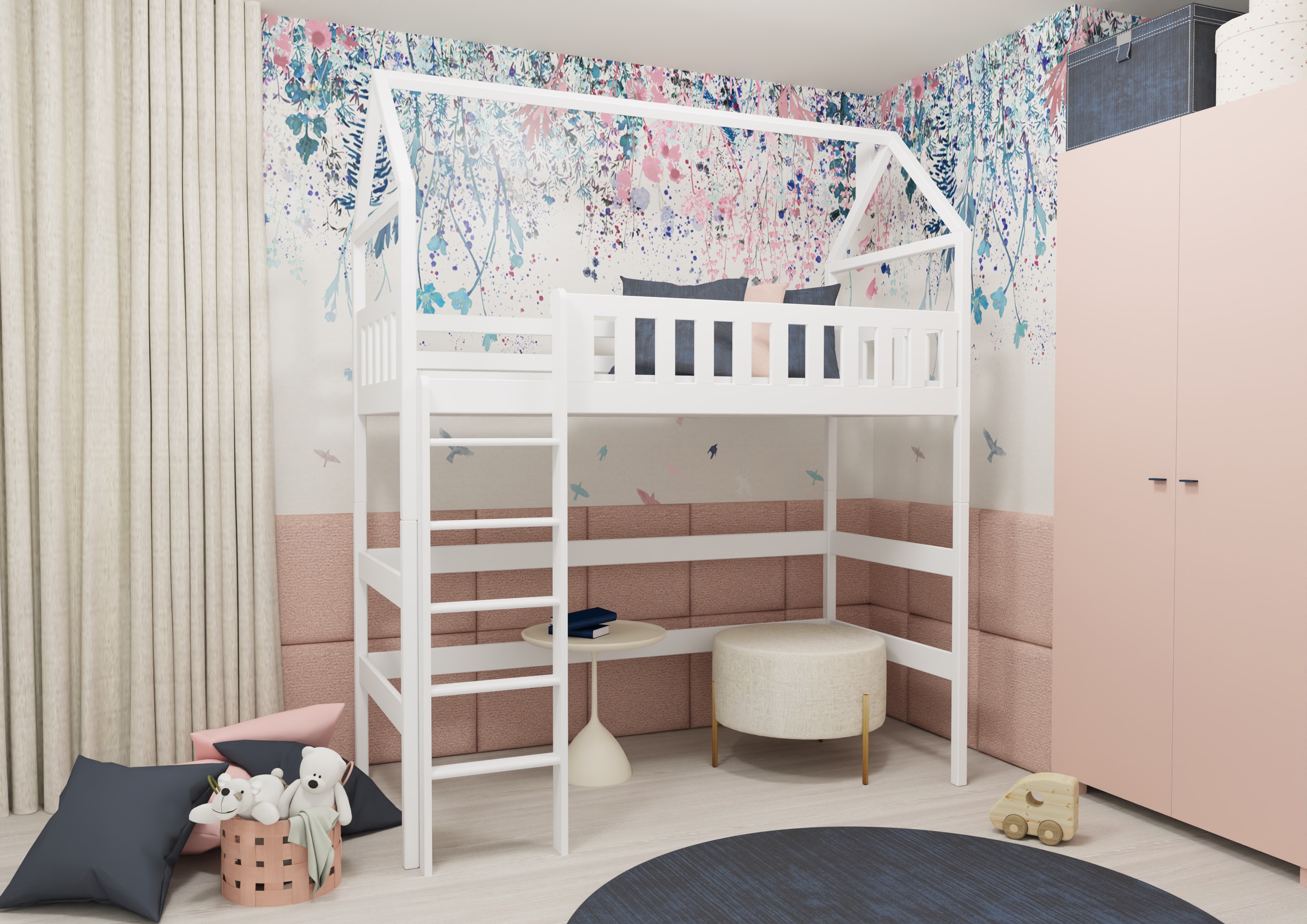
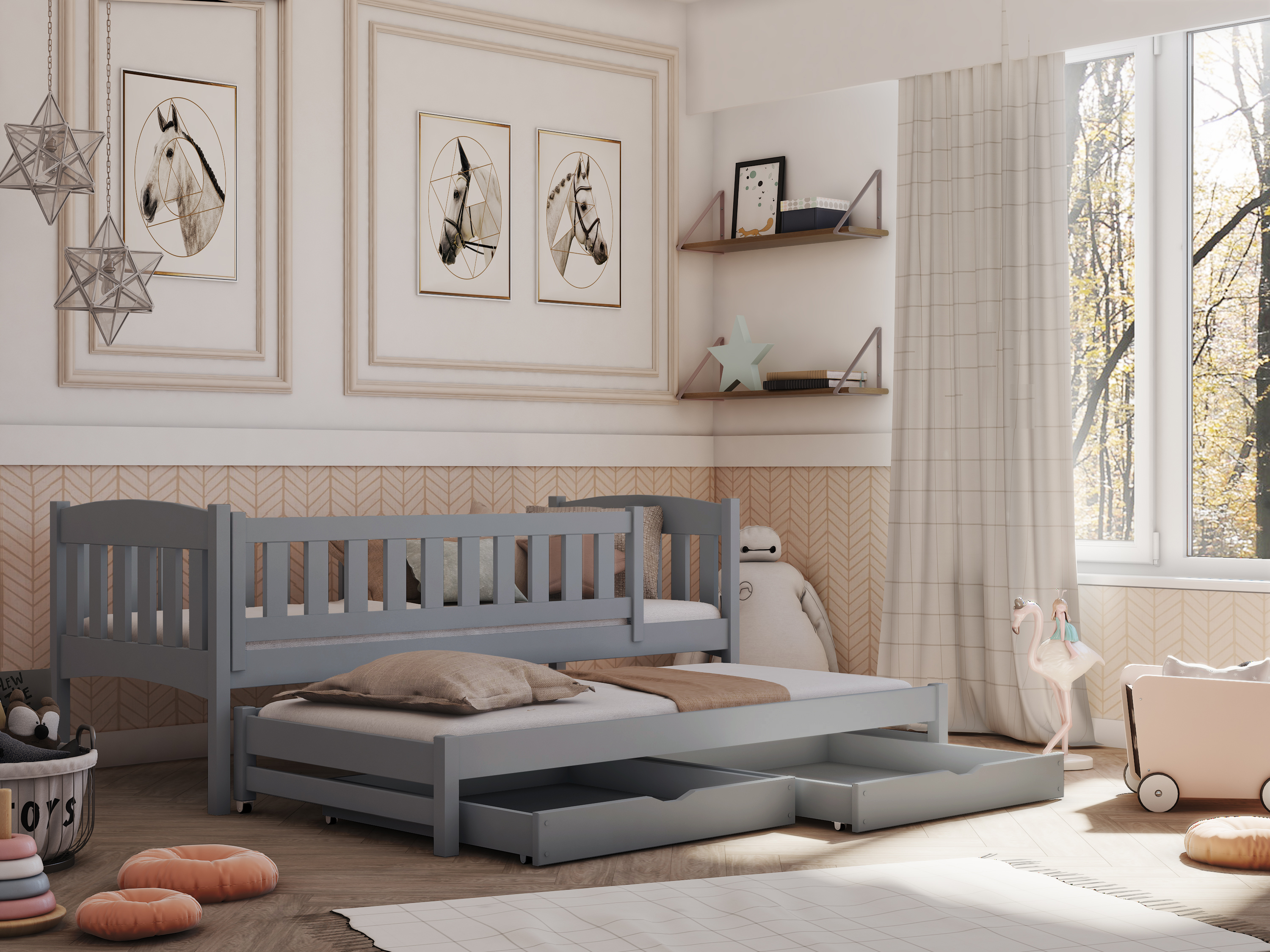
How much sleep should you get? What can you do to ensure sleep brings the desired relaxation? Find out what you need to know about night-time rest!

Do you struggle with a troublesome headache when you get up later than usual? Or maybe you're exceptionally tired in the morning? A lack of concentration, irritability or other unpleasant symptoms can be caused by not only a deficiency but also an excess of sleep. How much sleep should you get to enjoy a good mood and... good health? Read on and find out what you need to know about night-time rest!

Sleep doesn't just let you regenerate your strength

An excess of duties often makes you consciously give up going to bed at a fixed time, get up too early or interrupt your sleep to complete further tasks from a previously prepared list? Unfortunately, such practices won't be good for your health. Especially since the right amount of sleep has a positive effect on the functioning of the whole body. Besides regenerating your strength, what are the benefits of a night's rest?

A sufficiently long sleep is of great importance not only for physical and mental health but also for maintaining good condition. During sleep, developmental processes take place, the immune system stabilises, and the brain organises experiences. By getting enough sleep, you don't have problems with concentration, you work more efficiently, and you are much calmer. So, how much sleep should you get to properly regenerate your body and enjoy only the benefits of rest? What are the dangers of sleep deprivation and what are the most common causes of lack of sleep? Read on and see for yourself that sleeping pills are not the only solution!

How much sleep should you get?

There is no single answer to this question - the need for sleep is very individual. In practice, this means that some people need to sleep for eight hours to regenerate their body sufficiently, while others only need five. If you feel good, it means only one thing - the chosen solution suits you. At the same time, however, sleep experts have prepared specific recommendations for individual age groups. According to them, newborns and infants up to three months of age should sleep 14 to 17 hours per day, infants up to 12 months - 12-15, children up to two years - 11-14, preschoolers - 10-13, school children - 9-11, and teenagers - 8-10. For young adults, i.e. people up to 25 years of age, the appropriate dose of sleep ranges between 7 and 9 hours per day - the same as for adults. For seniors, this time should be from 7 to 8 hours.

What are the dangers of sleep deprivation?

Unfortunately, not everyone sleeps well and long enough, and the conscious giving up of sleep is considered "not a big deal". Unfortunately, this is wrong. Lack of sleep can have serious consequences. The most frequently mentioned include: irritability, fatigue, and later - hallucinations, behavioural disorders and anxiety, an increased risk of developing depression, as well as the possibility of becoming addicted to alcohol or sleeping pills. By knowing how much sleep you should get, you will reduce the risk of health complications and enjoy a great mood! However, before you get a good night's sleep, check what may be the cause of your previous problems. You can get rid of some of them right away!

What are the causes of sleep problems?

The causes of sleep problems, contrary to appearances, are not always complicated. The most frequently mentioned are: strong emotions, both positive and negative, electronic equipment being on, a partner's snoring, illnesses (including hyperthyroidism, depression or anxiety), shift work, travelling across different time zones, noisy neighbours and menopause. What can you do to deal with these inconveniences? Be sure to check what changes to make before you reach for sleeping pills!

Before you reach for sleeping pills, i.e. what to do to sleep well

Sleeping pills are a last resort - and that's how you should treat them. They are often addictive and don't allow you to get rid of the root cause of the problem. Do you already know how much sleep you should get? Be sure to check what to do to sleep well!

- Take care of the right atmosphere in the bedroom. Turn off electronic equipment well in advance or get rid of it from the bedroom (if there is any in the room), open the window and air the room out;

- Two hours before going to bed, ensure maximum peace and quiet. Turn off the TV, put down your smartphone and take a relaxing bath. Instead of a film before bed, it's definitely better to read a book!

- Be sure to get a comfortable bed! The mattress should be medium-firm, and the bed itself should be large enough. It's also worth paying attention to individual pieces of equipment - an unusually high mattress (especially in continental beds) or an upholstered headboard will definitely improve the quality of your sleep;

- Remember that a heavy supper is not a good solution - even if you're really hungry. It's worth opting for a light meal and enjoying a peaceful sleep - without the accompanying feeling of discomfort;

By knowing how much sleep you should get and knowing the most popular causes of insomnia, you can prevent them. However, if nothing works, it's worth contacting a doctor. Perhaps the cause is a health problem?


We advise on which mattress will be the most suitable for a 2-year-old child! Check what criteria you should be guided by!

Has your little one grown out of their baby cot? Or maybe they have decided to sleep in a bed instead of with their parents? In this situation, it is worth knowing what the next - or first - bed should be! But choosing the right piece of furniture is not all. Once again, you have to decide what kind of mattress to buy for a 2-year-old child to ensure a safe and comfortable sleep! With your convenience in mind, we checked what criteria should be taken into account.

What should you consider?

Before you decide what mattress is right for your little one, check out what you should be guided by when making your choice. We have prepared four practical tips for you to choose the perfect model! You will quickly find that not only age matters, but also the child's weight and height, the filling and thickness of the mattress and the type of cover! So - what kind of mattress should you choose for a 2-year-old child to be sure that it will serve them for a long time? Here are our tips!

  1. Child's weight and height

If you are choosing a mattress for a two-year-old, it is worth choosing one with dimensions of 70x140cm. Why? First of all, because it will serve the child much longer than the standard model with dimensions of 60x120cm. What's more - you can easily find a functional bed for such a model!

Taking into account the child's weight and height, you will significantly narrow the search for the perfect mattress. In addition to the indicated dimensions, it should be characterised by optimal firmness - which depends on the type of filling! Get to know the most popular and best mattresses that will ensure your little one has a peaceful sleep and support their development.

  1. Type of filling

The filling of the mattress for a small child should be antibacterial, anti-allergic and guarantee optimal firmness. You can choose from thermoplastic, coconut, foam and latex mattresses. The mentioned variants are highly flexible, thanks to which they do not deform even during intensive use. In addition, those available from Lano Furniture are made of high-quality materials - completely safe for the youngest users.

  1. Mattress thickness

Are you wondering what kind of mattress to choose for a 2-year-old? When looking for the right model, pay attention to its thickness! A thin model will not be a suitable solution, nor will one that is too thick. A mattress with a height of less than 10cm is not suitable for a child - primarily because it will be too firm. It should also not be higher than 14cm - children are definitely lighter than adults. Therefore, the optimal thickness will be between 10 and 14cm - then the mattress will provide the child with stable support!

  1. Type of cover

The best solution for a child will be a mattress that is additionally equipped with a removable cover. Thanks to this, keeping the mattress clean will be really easy! Especially since your two-year-old is most likely still going through the potty training process - then you can put a waterproof material under the cover, and wash the cover itself in the washing machine!

New or used - what kind of mattress should you buy?

Many parents wonder if a mattress for a child can be used. Before you make a decision, think about whether you would like to sleep on a mattress used by other people. We are sure that you wouldn't. That's why it's worth choosing a new model! What else speaks in favour of buying a new mattress for a 2-year-old? There are many reasons.

Apart from aesthetic considerations, one cannot forget about the functionality of the mattress - a used one loses its properties. Micro-indentations may form, which are often not visible at first glance - and these negatively affect the proper development of the child.

Bed for a 2-year-old child

Do you already know what kind of mattress to choose for a 2-year-old? See what kind of bed will create a perfect duo with it! It is best to choose a model that fits the size of the mattress, and additionally - is constructed in such a way that it is possible to adapt the furniture to the needs of the growing child.

How to arrange furniture in a teenager's and a child's room? Is it worth dividing the interior into zones?

Arranging a child's or teenager's room is generally not an easy task. This makes the moment when you find the right accessories all the more a reason to celebrate. Unfortunately, this isn't the end of your troubles. It's time to check how to arrange the furniture in the room! Especially since it doesn't always have the same layout as the one shown in the example arrangement.

The furniture arrangement matters

Are you wondering why the way you arrange the furniture in a room is so important? Firstly, because the interior design directly affects the functionality and versatility of the space. A well-thought-out arrangement of individual elements will not only ensure freedom of movement but also create a highly aesthetic experience. If you want to enjoy a tidy space, find out how to arrange the furniture in a room to make the most of the space and the interior's potential.

Principles of interior design

A few simple rules will help you decide not only what furniture to choose for a child's or teenager's room but also how to arrange it to achieve surprising results and a functional space at the same time.

- Don't be afraid of ready-made sets! The multitude of elements can be overwhelming, but ready-made arrangements can be a great source of inspiration! Check what furniture arrangement the manufacturer suggests and use it as a basis for your own actions. Maybe you'll find solutions there that will also work in your interior?

- Arrange the main furniture from the set, such as wardrobes, a desk, or bookshelves, parallel to the walls, creating a so-called base for further arrangement. Smaller elements, such as a coffee table or pouffes, should be placed in the middle of the room, complementing the whole.

Dividing the interior into zones

When arranging furniture in a child's or teenager's room, you can't forget about the need to divide the interior into zones! This will make the arrangement even easier and the room even more functional!

  1. Sleeping and relaxation zone

The sleeping and relaxation zone should be arranged in a thoughtful way. A comfortable bed isn't everything - it's worth opting for a maximally functional solution and choosing a bed with a unique design! What does this mean in practice? An unusual design in which the frame of the furniture is enriched with shelves and cupboards! Then all your favourite books will always be within reach!

  1. Study zone

When arranging furniture in this part of the room, you must not forget about a functional desk, an ergonomic chair, and spacious cupboards, bookshelves, and drawers. Only those accessories and gadgets that support education should be within your child's reach. There is no place for toys in this zone!

  1. Entertainment zone

Are you wondering how to arrange furniture in a room to separate the entertainment zone? If there's a laptop on the desk, in the case of older children, you can opt for a TV. An entertainment zone arranged this way will, however, require establishing specific rules for using the possibilities that modern equipment offers.

  1. Social meeting zone

Does your child meet with friends in their room? Ensure comfortable seating by opting for a small coffee table and additional chairs or pouffes.

What must a teenager's room have?

A teenager's room should be a place where your child can find their space and create their own world. That's why it's necessary to divide the space into specific zones. What must a teenager's room have? First and foremost - a desk, a bed, and a spacious wardrobe. Bookshelves and additional shelves will also be essential.

Complete equipment for a child's room

Interestingly, the equipment for a child's room will look almost identical to the equipment for a teenager's room. How to arrange furniture in a toddler's room? Also by using a division into zones. With the difference that in a child's room, the entertainment zone will be made up of their favourite toys!

What mattress firmness is right for a child? It all depends on their age!

As a parent, you want to give your child the best of everything. That's understandable - which is why it's worth taking the right amount of time to find the right mattress for your little one. Don't know how to do it properly? Check what mattress firmness is best for a child, depending on their age.

Why does mattress firmness matter?

Are you wondering what significance mattress firmness has? In a word - a huge one! Although just a few years ago it was believed that the firmer the model, the better, today, views on this topic have clearly changed. So, what is the significance of correctly determining the firmness of a mattress?

A properly firm mattress has a positive effect on the child's proper development, supports the spine, and guarantees it proper support along its entire length. Thanks to this, you will provide your child with maximum comfort, and additionally - take care of their safety. What mattress firmness is appropriate for a child, depending on the little one's age? We'll tell you.

Mattress for a newborn, infant, and one-year-old

It's easiest to make a mistake when choosing a mattress for the smallest little one. This is not surprising - a newborn child requires special care and maximum comfort. A mattress that is too soft can endanger the child's safety, effectively making it difficult for them to move freely. A child who turns over onto their tummy can sink deep into the mattress, which is an extremely dangerous situation! A mattress that is too soft can increase the risk of sudden cot death - which is why it should be avoided!

Many parents, wanting to minimise the risk as much as possible, opt for a firmer model. Unfortunately - most often one that is too firm. Such a mattress will cause discomfort and negatively affect the condition of the little spine.

What mattress to choose after the second year of life?

Are you wondering if a child who is turning two can sleep on the mattress that was previously in the infant's cot? They can, but if you are replacing the cot, it's worth replacing the mattress too. A model for a two- or three-year-old child should be medium-firm, antibacterial, and hypoallergenic. Due to the possibility of a nappy leaking, it's worth choosing a mattress with a removable cover.

A good choice will be a memory foam mattress. Such a model will perfectly adapt to the body, providing the little one with support along the entire length of the spine.

Mattress for a pre-schooler

Are you wondering what mattress firmness is most appropriate for a pre-school-aged child? If you changed the mattress when the little one turned two, the model chosen then, if it meets specific requirements, can still serve for some time. However, if the little one has been sleeping with their parents so far, it's worth buying a new mattress! As with a two or three-year-old, a memory foam, foam, coconut, or latex mattress with medium firmness and high elasticity will be suitable.

Such a model will accompany your child for the following years. A child between the ages of six and ten should still sleep on a medium-firm and highly elastic mattress, but it's important to choose a model with the right dimensions.

Mattress for a teenager

Choosing a mattress for a teenager can also be a problem. If you are wondering what mattress firmness is appropriate for a teenager, be guided by the child's height and weight. The chosen model must be about 20cm longer than the child's height. If the teenager weighs less than 60kg, an H1 firmness will be appropriate; if more - it's worth choosing H2 firmness.

General rules

Regardless of your child's age, it's worth choosing a mattress made of safe materials. Opt for a model with medium firmness, high elasticity, and additionally characterised by anti-allergic and antibacterial properties. A removable cover will be a great convenience.

How to decorate a teen's room? Follow these rules!

There's nothing more troublesome than arranging a room for a child - especially a teenager. If you're wondering what should be in a room dedicated to a teenager, it's worth remembering a few principles - the space should be functional, modern and, at the same time, versatile. Check out how to furnish a teen's room so that it's ready for the challenges that an almost-adult young person will face?

You need an idea!

Before you start furnishing the interior, make sure you have the right idea. It's a good idea to give up on themed decorations and focus on a timeless interior. Why? First of all, because the vast majority of teenagers are susceptible to short-lived, seasonal trends. A versatile base will be perfect for them, and thanks to this solution, the room will always look stylish! It is worth opting for neutral colours and simple constructions that are easy to combine with accessories in any style. Read on to find out how to furnish a teen's room for one, two, or three teenagers and learn about the principles you should follow! By putting them into practice, you'll achieve surprising results!

Follow these principles

Regardless of whether you're furnishing a teen's room for one or three young people, it's worth following certain principles. By following them, you'll not only not forget any details, but above all - you'll prepare a space that meets the needs of teenagers! So - what can you do and how do you furnish a teen's room so that it can serve not only as a place to study, but also as a place to relax and... have fun? We have some tips for you!

  1. Functionality

A room dedicated to a teenager should be, first and foremost, functional, which in practice means the ability to not only study freely, but also to relax and have fun. You can ensure that the interior meets all of these characteristics by opting for specific furniture. Ready-made sets, including a bed, wardrobes and cupboards, as well as a functional desk, will be an excellent solution. By choosing this option, you can be sure that your growing child's room will lack nothing. In addition, the proposed sets meet the other characteristics of a perfect arrangement!

  1. Modernity

Every young person follows fashion. That's why teen furniture in a minimalist and modern style will be an excellent choice. Neutral colours and decisive accents in intense shades are not everything. The construction is also important, and it should be as simplified as possible.

  1. Safety

Teen furniture should also be safe. In practice, however, this doesn't mean protected edges, but the quality of the materials used. It's worth opting for high-quality laminated board, finished with an ABS edge. This combination will make the furniture durable, resistant to mechanical damage and, at the same time, safe.

  1. Versatility

If you're still wondering how to furnish a teen's room, opt for a timeless interior. Such a space will be a suitable base for changing teenage tastes and will meet even the most demanding furnishing plans.

More than one occupant?

That's not a problem! Teen furniture can be really functional! In this situation, you can divide the room into two or three zones, depending on the number of people using it, and equip each of them with the necessary furniture. If the room is large, this solution will be the most sensible. In the case of a smaller room, it's a good idea to use a two- or three-person bed in one part of the room, and arrange study corners in the remaining area.

Practical tips

Are you wondering if there are any practical tips that will tell you how to furnish a teen's room? In addition to what you've already checked, it's worth remembering a few other important issues.

- An excellent idea would be to furnish the interior in consultation with the child. A growing person has their own needs, dreams and visions, which are definitely worth considering. When you don't impose your opinion, but talk calmly, your child will quickly realise that you treat them as a partner and will noticeably change their tone!

- If you don't want to forget anything, opt for ready-made sets of teen furniture.

How to teach your child to sleep independently? Discover proven tricks and find out how to prepare the cot!

The closeness of parents is really important for a little one – also during sleep. Although such an arrangement is very convenient and, additionally, has a positive impact on the child’s development, it is worth remembering that your little one is constantly growing. The moment when they leave their parents’ bed will come sooner than you think! Unfortunately, it most likely will not be an easy time. How can you teach your child to sleep in a cot so that these changes are not stressful for them?


Changes in a child’s sleep

The sleep of a small child – a newborn, and later – an infant plays an important role in their proper development. It is worth knowing that the youngest babies do not yet distinguish between day and night, often waking up even every hour. That is why many parents decide to keep their baby in the marital bed. What makes a newborn wake up so often? There can be many reasons, but among the most common are hunger, discomfort caused by a wet nappy or overheating, teething, or a raised temperature.


Around the 12th week of life, a baby’s sleep seems to become somewhat more balanced. At roughly this time, your little one will start falling asleep and waking up more regularly. If you are wondering how to teach your child to sleep in a cot, now is the right moment – of course, if you want to do it this early. Many parents decide to take this step much later. Regardless of when you make this important decision, the process itself will look almost identical. However, before you learn effective tricks, check what your baby’s cot should be like and, above all – what the most important rules of safe sleep are.


What should a baby’s cot be like?

Before your little one sleeps in their own cot, it should be properly prepared. Which model should you choose? Ideally, one that will serve your child for the coming years! It is worth opting for a cot with three-level mattress height adjustment, additionally made from materials free of harmful substances. Also pay attention to the bars. They should be spaced narrowly enough to prevent the baby from squeezing through, and wide enough to allow proper air circulation.


Safe sleep – the most important rules

Before you find out how to teach your child to sleep in a cot, get to know the most important rules of safe sleep. And there are quite a few of them. For the youngest babies, avoid cot bumpers, bedding sets and overly soft mattresses. Why? Primarily because a newborn or infant cannot remove materials that might block free breathing. So what should you cover your baby with? It is best to use a sleeping bag. The baby’s sleeping position is also important. Always place your child on their back, lying flat. Tummy sleeping in early infancy should only happen under full parental supervision. In addition – the temperature in the room where the child sleeps, regardless of age, should not exceed 22 degrees Celsius.


How to teach your child to sleep in a cot?

Have you prepared a proper cot for your little one and learnt the most important safe sleep rules? Check how to teach your child to sleep in a cot! There are several methods, and you can start teaching independent sleeping from as early as three months. At that stage, a good solution is to place the cot right next to the parents’ bed – that way both the baby and the parents feel safe. What tricks are worth trying with an older child?


Begin teaching independent cot sleeping by introducing a consistent daily rhythm. Walks, meals, playtime and naps – everything should have fixed times. The same should apply to the evening bedtime routine. After a bath and a feed, it should take place in dimmed light. When falling asleep, your little one must feel safe – that is why you should talk to them calmly and gently, consider giving a relaxing massage, and cuddle your child. If they start to cry – pick them up and soothe them. Once calm, you can put them back into the cot. This process should be repeated as often as needed, ensuring it is as stress-free for the child as possible. Do not shout or force obedience. Stay close, comfort, cuddle and reassure until your little one falls asleep peacefully.


A child in the parents’ bed

Have all attempts at teaching independent sleeping failed? Perhaps your child is not yet ready for such a big step. In that case, make sure the mattress in the parents’ bed is also suitable for the baby – preferably a latex one. At the same time, take care of your child’s safety by positioning them so that they have enough space and, at the same time, do not fall out of bed.

Not sure which mattress to choose for your newborn? Trust these tips!

It may seem that everything has already been said about what a mattress for the youngest children should be like. Unfortunately, commonly repeated opinions usually have little to do with the truth. Do you want to know which mattress for a newborn should be among your baby’s other accessories? Read on and find out which stereotypes are worth debunking!


Why is choosing a mattress important?

Are you wondering why choosing the right mattress is important? There are plenty of reasons! Discover the most important ones and be sure that the time spent selecting the proper model will not be wasted!


A newborn, spending time in the cot, may sleep for up to 20 hours a day! That is why it is worth considering which mattress for a newborn should accompany them. A properly chosen one will not only noticeably increase your little one’s comfort during rest and play, but also support their proper development, positively affecting the condition of the spine above all. Before you decide which of the mattresses available on the market should be placed in your baby’s cot, check which of the popular opinions about mattresses are true. This knowledge will help you make an informed decision!


True or false?

False opinions about mattresses are harmful to users of all ages. If you have to decide which mattress for a newborn will be most suitable, it is worth checking which tips are valuable and worth considering! Such guidance will give you confidence that the right mattress will appear in your little one’s cot!


  1. The mattress for a newborn must be hard

Nothing could be further from the truth! If you have ever slept on a hard mattress, we are sure you still remember the unpleasant consequences! So what firmness should a newborn’s mattress have? Optimal – unlike elasticity, which should be high. This combination will ensure even pressure along the entire surface of the spine, while supporting its proper development.


  1. The mattress for a newborn cannot be soft

This time it is true! If you are wondering which mattress to choose for a newborn, first reject all models characterised by excessive softness. This is particularly important because the youngest babies may struggle to move. Why? Mainly because the mattress will sink under the newborn’s weight.


  1. You can buy a used mattress

Absolutely not! A mattress for a baby should be bought directly from a shop, and preferably from a trusted seller. Why? Above all because a second-hand model will most likely have lost most of its properties, including its shape. The resulting indentations and irregularities, sometimes noticeable only after a close inspection of the mattress, may negatively affect not only comfort but also disturb proper spinal development.


What is more – buying a used mattress can be problematic, especially when it comes to hygiene. Before you decide to put a second-hand mattress into your baby’s cot, it must be disinfected and thoroughly cleaned. And that is not an easy task!


The most important features of mattresses for newborns

Are you wondering which features should distinguish a mattress for a newborn? Apart from optimal firmness and high elasticity – the use of natural materials that allow air circulation and effective moisture removal. Additionally – it should prevent the baby from overheating.


Characteristics of the most popular mattresses for newborns

Do you already know which features a mattress worth choosing should have? Discover four of the most popular models and decide which of them meet your needs. And in addition – can ensure maximum safety for your little one! If you are considering which mattress for a newborn to buy, check our suggestions!


  1. Thermoelastic

Mattresses made entirely of highly elastic foam are designed to provide the child with maximum comfort during sleep and play. Such a mattress easily adapts to the body’s curves and provides spinal support along its entire surface.


  1. Coconut fibre

Models with a coconut fibre layer are suitable for little ones – they prevent the baby from sinking in and allow free movement, while not causing discomfort.


  1. Foam

This is an option for those who are looking for a long-lasting solution! Foam mattresses are resistant to permanent dents and also resistant to oxidation. Thanks to this, they retain their shape and properties for a long time.


  1. Latex

Still not sure which mattress for a newborn will be the best choice? Opt for a latex mattress! Containing 20% natural rubber milk, it provides the best elastic properties of a mattress. Additionally – such a mattress is hypoallergenic and offers excellent support along the entire body.

Which mattress should you choose for an adult bedroom? Read what you should look out for!

Mattresses now make up a significant part of furniture shops. When you go shopping and look for the right model for yourself, many questions are bound to arise. That is why in today’s article you will learn which mattress to choose for an adult bedroom. There are a few universal rules to follow so that a restful night’s sleep and a cheerful morning become your everyday reality.


Mattresses offer plenty of adaptability


Nowadays, a mattress is more than just a piece of fabric, foam and springs that is either comfortable or not. There are many factors to consider in order to match the product to your expectations. Above all, haste is a very poor adviser. That is why you should allow yourself more time when making a decision. For example, to lie down in the shop – more about that later in the text. First, you must realise that virtually all the elements of a modern mattress work together to adjust to your body. So then, which mattress should you choose?


Many people start with firmness


Beginning your shopping by asking about firmness is a very good approach. If you are wondering which mattress to choose for an adult bedroom, the first factor should be firmness. Why? The cooperation of the individual parts of this most important item in the bedroom depends mainly on selecting the right level of resilience for your body. Therefore you need to know that mattress manufacturers classify their models. They use the letter H along with a number. A mattress marked H1 is generally for people weighing up to 60 kg. Products marked H2 are intended for people weighing between 50 kg and 80 kg. Version H3 is for people weighing 80 kg to 100 kg, although lighter people who prefer a firmer mattress will also feel comfortable here. Finally, H4 – an option for customers over 100 kg.


Which mattress to choose? First, lie down


It may seem strange, but once you know the firmness levels of mattresses, you need to go to the shop and simply lie down on the models you are considering. Just sitting or bouncing to test the resilience will not tell you much. A mattress does its job essentially only when lying on it. That is why you must overcome any hesitation and lie down on a mattress for a few moments. What can you find out this way? You will sense whether comfort and relaxation come over you, your muscles should start to relax, and you should feel no discomfort. At this point, it is worth asking a companion or a shop assistant (if you are comfortable enough) to slide a hand under the lumbar spine while you are lying on your back. If the hand slides in too easily, it is a sign that you need something firmer. If there is no space at all, it is too hard. The optimal feeling is a slight resistance when placing a hand under the spine.


What is your favourite sleeping position? Match the mattress to it


Something often overlooked when choosing a mattress is your favourite sleeping position. Why is it so important? Different body positions require different kinds of support and cooperation from the mattress structure. If you like to sleep on your back or stomach, then your body weight is distributed fairly evenly across most of the surface. That is why latex, coconut–foam or classic spring mattresses are a very good choice. It is a little different if you like to sleep sometimes on your back and other times on your side. Then you should look at memory foam mattresses, which adjust to new positions under the influence of body heat. Finally, something for those who fall asleep on their side – pay attention to how well the material aligns with the spine so that it remains in a straight line.


One shared mattress, or two separate ones?


Couples may face quite a serious dilemma: buy one shared mattress, or perhaps two separate ones? The answer depends on a few aspects. Firstly, if there is a significant weight difference between partners, at least around 20 kg, it may be worth considering two mattresses, as each side will need a different firmness level for comfortable sleep. The second factor that may be decisive is movement. On a shared mattress, every change of position is felt. Some people find this disturbing and it leads to poor sleep – especially if one partner moves around quite a lot.


Which mattress to choose? Spring? Memory foam?


The last factor that can help you decide which mattress to choose is its construction. Nowadays, the quality of materials used is so good that the differences are fairly subtle. Pocket-sprung models are suitable for people with back problems. Memory foam versions are appropriate for those who move often and enjoy a relaxing feel. Finally, the Bonell spring mattress is a suggestion for customers with a healthy spine who are looking for a universal mattress at a low price.

How to design a child’s room with style? Discover great inspirations!

Interior design is an interesting process that offers many possibilities. Renovation or rearranging furniture is an excellent opportunity to introduce a breath of freshness into a house or flat. The birth of a child is also a stimulus for evolving the décor. This special occasion forces parents to arrange new space for the little one. That is why in today’s article we suggest how to design a child’s room. Take advantage of tried-and-tested inspirations recommended by many mums and dads.


Be careful with colours


In a very stereotypical view, a child’s room is colourful and filled with toys. In reality, however, this space should look different. An excess of colours – if you decide on brightly coloured furniture and bold walls – can be overwhelming, especially when they are highly contrasting shades. A very good idea, though still less common, is the use of white walls. Later, as the child grows, their character can easily be changed, for example by adding wallpaper with various patterns. This is particularly useful for themed arrangements.


The number of toys should be limited, at least at the start


When a child is very small, they are not interested in many things. The first year of life is mainly about getting used to being outside the mother’s womb. That is why the number of toys is not so important. An excess of cuddly toys, puppets and plastic rattles is an ideal breeding ground for dust and other harmful microbes. Therefore, during the first few years the most important thing should be the space to spend time with your child. Perhaps a larger inflatable mattress to lie down on with your little one and read them a book? Only with age should the number of toys grow – but only to a certain point.


How to design a child’s room in the attic? Sloped ceilings have their advantages


Living in the attic or arranging a children’s room in the loft is an excellent idea. Many parents ask how to design a child’s room with sloped ceilings. If you too see problems rather than opportunities, today we will help you change your mind to a more optimistic one. To begin with, nooks and natural light are two of the biggest advantages of an attic room. Although many experts point out that the minimum space for a child’s room should be around 11 m², anyone who has seen part of a loft knows that this is not always possible. However, that does not mean you have to give up.


Make use of natural light


How can you design a child’s attic room using natural light? Roof windows offer many possibilities. If, additionally, the house or flat is positioned so that the afternoon sun shines through those windows, you have ideal conditions for creative ideas. Near the windows, if there are recesses, you can place pouffes or larger cushions and create a space for reading books in daylight – which is the healthiest light for the eyes. This is also an excellent opportunity to install a desk. You only need to fix a worktop along the edges of the recess and extend most of the desk into it. In this way you create an optimal place for studying.


Remember to secure the windows


Roof windows have their pros and cons. With children it is worth being especially cautious and, when considering how to design a child’s attic room, pay attention to access to handles. If they are too easy to reach, think about securing them – for example by installing lockable handles. This way you will avoid flooding the room when your little one opens a window during a storm, as well as other creative ideas children may come up with that can give parents a near heart attack.


Use the sloped ceilings for furniture


It is worth placing chests of drawers and cupboards under the slopes. If you push them right into the more awkward spaces, you gain extra room in the central part of the bedroom. In the same way you can consider fitting a bed. Use part of the sloping roofline to install a bunk bed. Over time, climbing a ladder to their own little hideaway near the ceiling will be great fun for a young child. At the same time, underneath you gain additional space – for example for children’s toys.


Avoid themed décor


Parents want to bring joy to their children, so when they start showing an interest in something, they are often eager to create a themed bedroom. Unfortunately, youngsters – at least in the early stages of development – often change their minds and abandon one passion for another. That is why instead of regular revolutions for each new hobby, it is better to leave room for evolution. White walls work perfectly here, as they are the ideal background for posters, photos and other themed decorations.

  • 1
  • |
  • 2
  • |
  • 3
up
Shop is in view mode
View full version of the site
Sklep internetowy Shoper Premium
